Address
C-181, C Block, Sector-63, Noida, Gautam Budha Nagar, Uttar-Pradesh, 201301, India
Work Hours
Monday to Friday: 7AM - 7PM
Weekend: 10AM - 5PM
Address
C-181, C Block, Sector-63, Noida, Gautam Budha Nagar, Uttar-Pradesh, 201301, India
Work Hours
Monday to Friday: 7AM - 7PM
Weekend: 10AM - 5PM
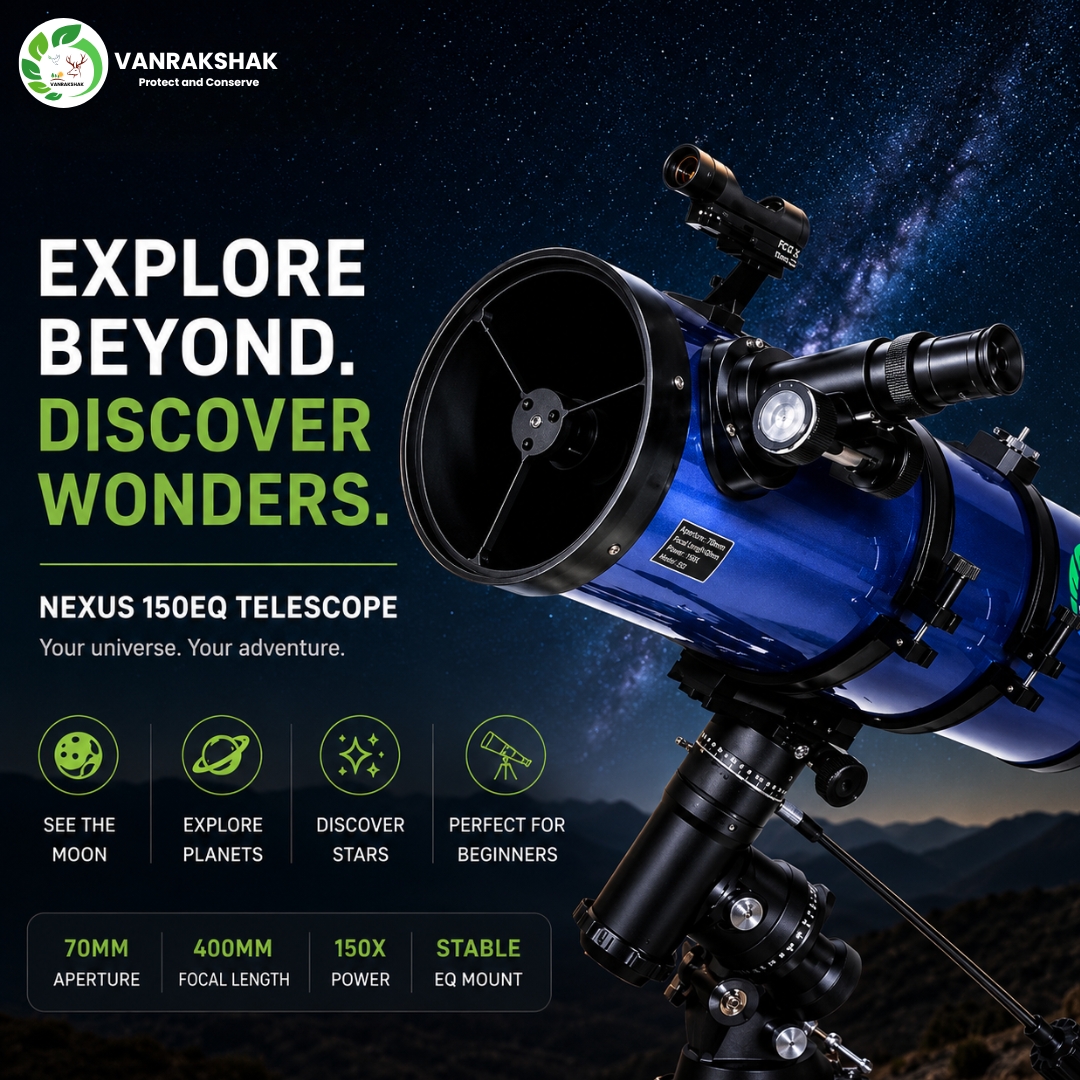
The night sky has fascinated people for centuries. From observing the Moon’s craters to spotting planets like Jupiter and Saturn, astronomy allows us to explore the universe without leaving Earth. Today, owning a telescope is no longer limited to scientists or observatories. Thanks to advancements in optical technology, Astronomy Telescopes have become more accessible, making stargazing an exciting hobby for students, beginners, educators, and experienced astronomers alike.
However, choosing the right telescope can be challenging. With countless models available online, buyers often struggle to understand specifications such as aperture, focal length, mount type, and magnification. Selecting the wrong telescope can lead to disappointing viewing experiences and unnecessary expenses.
This comprehensive guide explains everything you need to know before purchasing Telescopes. Whether you are buying your first telescope or upgrading to a more powerful model, you’ll learn how to make an informed decision while understanding the features that truly matter.
Unlike ordinary viewing devices, Astronomy Telescopes are specifically designed to collect more light, allowing you to observe distant celestial objects with incredible clarity.
A quality telescope allows you to observe:
The better the optical quality, the more detail you can observe. Investing in a reliable telescope ensures years of enjoyable stargazing and continuous learning.
When buying Astronomy Telescopes, understanding the technical specifications is far more important than simply choosing the highest magnification.
Aperture refers to the diameter of the telescope’s primary mirror or lens.
A larger aperture means:
Many beginners mistakenly focus on magnification, but experienced astronomers know that aperture has a much greater impact on image quality.
Different telescope designs serve different purposes.
One of the most popular choices among amateur astronomers is the Newtonian Reflector.
It offers:
For beginners and intermediate users, reflector-based Astronomy Telescopes provide excellent value for money.
Focal length determines how much of the sky you can see.
Short focal lengths offer:
Longer focal lengths provide:
Choosing the correct focal length depends on your observing interests.
A telescope is only as good as its mount.
Many first-time buyers overlook this factor.
A stable mount provides:
Equatorial mounts are widely preferred because they allow smoother tracking of celestial objects as the Earth rotates.
When comparing Astronomy Telescopes, prioritize these essential features.
Fully multi-coated optics improve:
Premium optical coatings reduce glare and improve overall image quality.
Outdoor observations expose telescopes to varying weather conditions.
Choose telescopes with:
Quality construction ensures years of dependable use.
Beginners often worry that telescopes are difficult to set up.
Modern Astronomy Telescopes are designed with user-friendly assembly systems, allowing you to begin observing within minutes.
Easy setup encourages more frequent use and a better learning experience.
Not every telescope suits every user.
If you’re just entering astronomy, look for:
These features provide an enjoyable introduction without overwhelming technical complexity.
Students benefit from telescopes that can observe:
Portable designs with reliable optics are ideal for educational purposes.
Experienced hobbyists often prefer larger aperture Astronomy Telescopes capable of observing:
Higher-quality optics unlock significantly more celestial objects.
Many buyers make avoidable mistakes when purchasing Astronomy Telescopes.
Extremely high advertised magnification often becomes blurry and unusable.
Quality optics matter far more.
Very inexpensive telescopes frequently include:
Low-quality equipment often discourages beginners.
Even excellent optics perform poorly if mounted on unstable tripods.
Always prioritize mount stability alongside optical quality.
Powerful optics allow you to observe:
Higher-quality Astronomy Telescopes collect more light, producing brighter and sharper images.
This becomes especially noticeable during deep-sky observation sessions.
India has rapidly growing interest in astronomy, astrophotography, and educational space programs. Whether you’re observing from your terrace, backyard, or a dark-sky location, choosing a telescope designed for practical use makes a significant difference.
Brands like Vanrakshak are committed to offering reliable optical equipment for Indian users. Their telescope range focuses on quality optics, durable construction, and user-friendly designs suitable for beginners as well as advanced astronomy enthusiasts.
For example, telescopes like the Nexus 150EQ combine a 150 mm aperture, 750 mm focal length, Newtonian reflector optical design, fully multi-coated optics, and a stable equatorial mount. This combination provides excellent light-gathering ability, smooth object tracking, and clear views of the Moon, planets, star clusters, and many deep-sky objects. Features such as an aluminum alloy optical tube, 2x Barlow lens, red dot finderscope, and precision slow-motion controls make it a practical option for users looking to advance their astronomy experience.
Choosing dependable Astronomy Telescopes from a trusted brand ensures better performance, easier operation, and long-term satisfaction.
Buying a telescope is a long-term investment, and understanding the fundamentals helps you make the right choice. This guide is based on established optical principles, common practices followed by amateur astronomers, and real-world considerations such as aperture, mount stability, optical coatings, and ease of use.
Instead of focusing on exaggerated magnification claims, experienced astronomy enthusiasts evaluate telescopes based on optical performance, mechanical stability, and practical usability. Following these criteria increases the likelihood of choosing equipment that delivers enjoyable and consistent observations for years.
The best Astronomy Telescopes for beginners offer a good balance of aperture, stable mounting, easy setup, and clear optics. Reflector telescopes with equatorial mounts are popular because they provide excellent performance and room to grow as your astronomy skills improve.
With quality Astronomy Telescopes, you can observe the Moon’s craters, Jupiter and its moons, Saturn’s rings, Venus, Mars, bright nebulae, galaxies, star clusters, and many other celestial objects, depending on the telescope’s aperture and observing conditions.
Yes. Aperture is generally the most important specification because it determines how much light the telescope collects. A larger aperture produces brighter, sharper images and reveals more detail than simply increasing magnification.
For astronomy, equatorial mounts are often preferred because they make tracking celestial objects easier as the Earth rotates. They are especially useful for extended observation sessions and astrophotography.
A reflector telescope with at least a 150 mm aperture, quality optics, and a stable equatorial mount provides excellent versatility for observing both planets and brighter deep-sky objects.
Choosing the right Astronomy Telescopes is about finding the perfect balance between optical quality, aperture, stability, and ease of use. While many buyers focus only on magnification, experienced astronomers know that features like aperture size, optical coatings, and a reliable mount have a much greater impact on the overall viewing experience.
Whether you’re discovering the Moon for the first time, observing Saturn’s rings, or exploring distant star clusters, investing in a well-built telescope opens the door to years of exploration and learning. Brands like Vanrakshak offer dependable models designed for Indian users, combining durable construction with powerful optics to help you enjoy clearer, more rewarding nights under the stars. With the right telescope, every clear night becomes an opportunity to explore the universe.